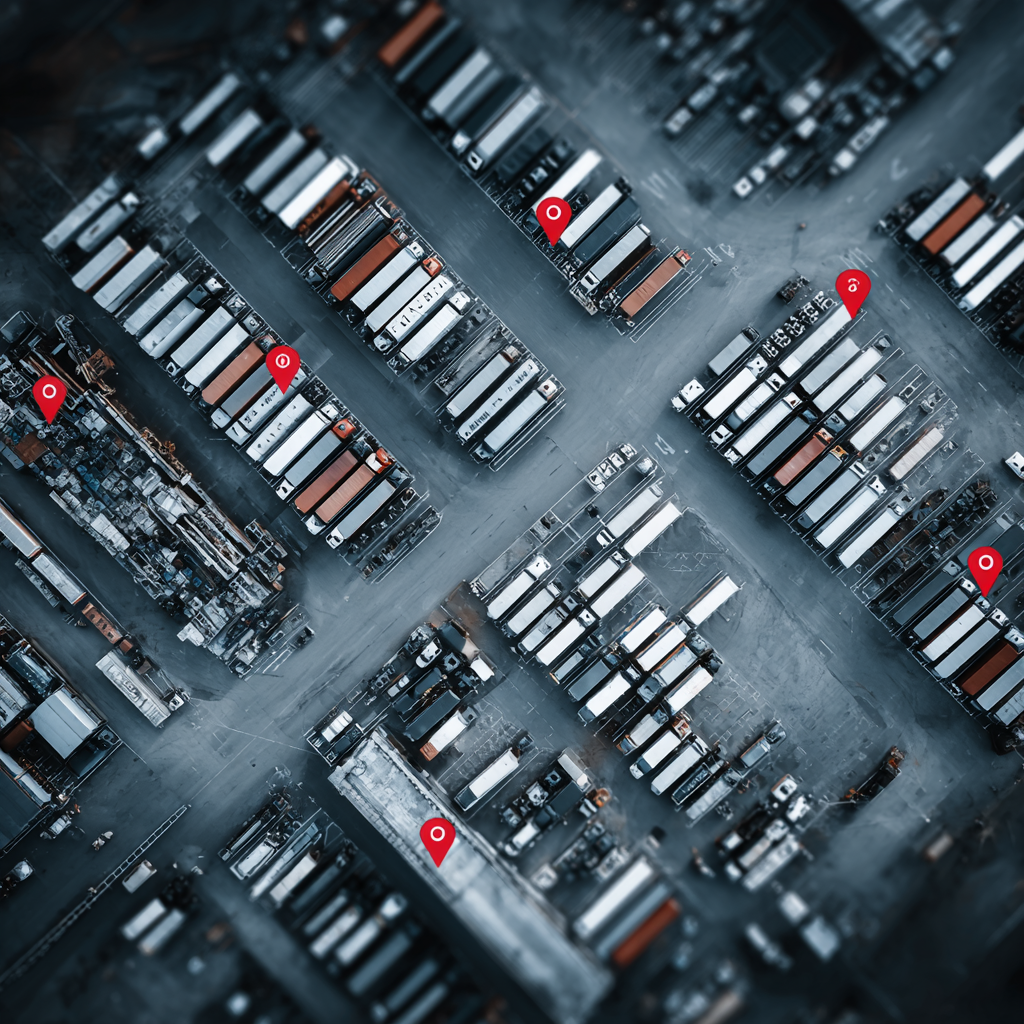
Fleet visibility isn't just about knowing where your vehicles are. It's about knowing what's happening across the entire operation — in real time, without chasing down three vendors to get the answer.
Most fleets run on disconnected systems. GPS data lives in one platform. Dashcam footage lives in another. Asset tracking is in a third. When an incident happens or a device goes offline, the fleet manager is the one who has to pull the threads together — calling vendors, logging into multiple dashboards, and coordinating technician scheduling entirely on their own.
That coordination gap is where operational costs accumulate. Not from the technology failing, but from the process around it breaking down every time something goes wrong.
"The gap isn't the technology. The technology was already there. The gap is what happens after the install."
What Connected Visibility Actually Means
Connected visibility means your fleet data — GPS location, driver behavior, dashcam footage, asset tracking — flows through a single platform. Not stitched together manually. Not requiring separate logins or vendor calls to reconcile. One view, one contact, one operational layer that owns the data and coordinates what happens when something needs attention.
For most fleets, the goal isn't more data. It's actionable data. The difference between a GPS alert that fires and disappears into a dashboard and one that triggers a coordinated response — a diagnostic, a dispatch, a confirmed resolution — is the coordination infrastructure behind it.
- Real-time location and route history — know where every vehicle is, where it's been, and whether it's where it should be
- Driver behavior monitoring — hard braking, speeding, idle time, and unsafe following distance flagged automatically
- Dashcam footage with GPS sync — every incident clip tied to a location, speed, and timestamp so nothing gets disputed without evidence
- Asset and trailer tracking — non-powered equipment visible in the same platform as vehicles, not a separate system
- Service event coordination — when a device goes offline or needs service, the coordination happens through the platform, not through the fleet manager's phone
Where Fleet Visibility Breaks Down
The most common visibility failure isn't a technology problem. It's a handoff problem. GPS vendors deploy hardware and walk away. When something breaks — a device goes offline, a camera needs remounting after a windshield replacement, a trailer tracker needs to be moved to a new asset — the fleet manager owns that coordination entirely.
There's no technician network. No service plan. No single contact who owns the problem from start to finish. The vendor's job ended when the hardware shipped.
This is where the operational costs that never show up in the GPS subscription bill actually live. Every unplanned service call, every remount, every device swap absorbs internal team time and out-of-pocket labor costs that compound across a fleet over time.
The Coordination Layer Most Fleets Are Missing
The technology tier between major GPS providers — Samsara, Motive, Geotab — and smaller alternatives is largely the same. Enterprise-grade GPS tracking, AI dashcams, asset visibility, ELD compliance. The hardware and platform capabilities have largely converged.
What hasn't converged is the operational layer on top of it. Who coordinates the rollout? Who manages the install scheduling? Who owns the problem when a device goes offline at 2 a.m. on a Tuesday? Who tracks the service event from dispatch through completion?
For most GPS vendors, the answer is no one on their side. The fleet manager absorbs all of it — in addition to managing the fleet.
The smarter approach is treating the coordination layer as a product feature, not an afterthought. A single coordinator who manages rollout, install scheduling, platform access, and ongoing support. A technician network with real booking infrastructure behind it. And for qualifying enterprise fleets, a service plan that actually covers the repairs instead of treating every unplanned event as a new invoice.
Building a Connected Fleet Operation
Practical steps for fleet managers looking to close the visibility gap:
- Audit your current vendor handoffs — how many contacts do you need to call when a GPS device goes offline? If the answer is more than one, you have a coordination gap
- Calculate your unplanned maintenance spend — total labor and parts for GPS service events in the last 12 months. Most fleets underestimate this number significantly
- Consolidate platforms before adding hardware — more devices in more siloed systems increases coordination overhead, not visibility
- Evaluate service coverage before signing contracts — ask every GPS vendor: when a device needs service after deployment, what does your support model actually cover?
- Require a single point of contact — accountability diffused across multiple vendor contacts is accountability that disappears when something goes wrong
Fleet visibility is a solvable problem. The technology is ready. The platforms are capable. What most fleets are still missing is the operational infrastructure behind the technology — the coordination layer that closes the gap between a GPS alert and a confirmed resolution.
That's the gap Red Dot was built to close.
See What a Connected Fleet Operation Looks Like
Book a free fleet audit. We'll walk through your current setup, identify your coordination gaps, and show you exactly what Red Dot and Techsbook handle differently.
Book a Fleet Audit